Heat Pump Expert Services for Toronto Homes
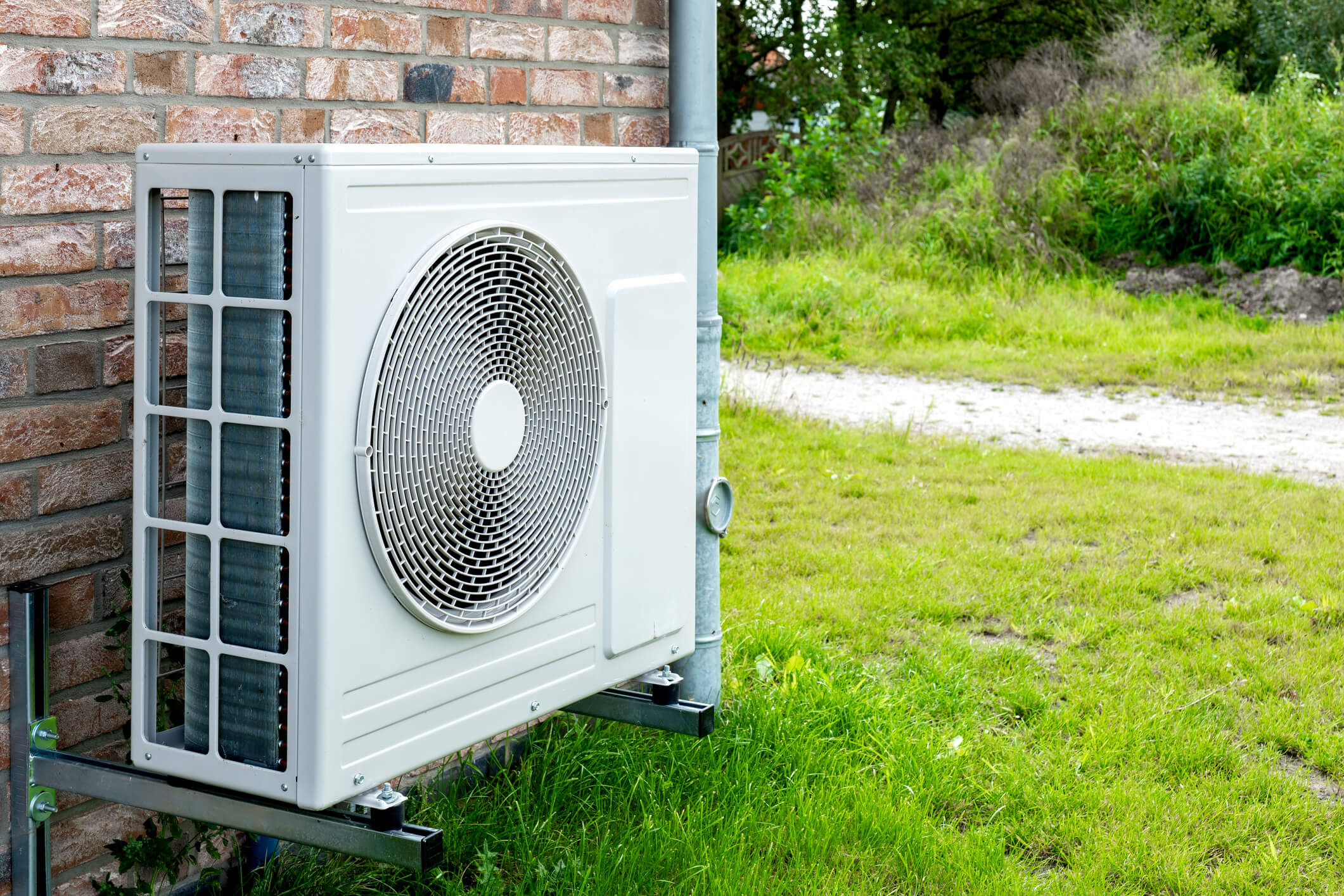
Should You Replace Your Gas Furnace with a Heat Pump in Toronto?
Rising natural gas prices, growing interest in electrification, and improvements in cold-climate heat pump technology have changed the heating landscape across Ontario. At the same time, many homes in Toronto still rely on gas furnaces that were installed years, or even decades, ago. With government rebates now available for energy-efficient upgrades, more homeowners are exploring whether switching to a heat pump could reduce heating costs while providing both heating and cooling.
Comparing how these systems perform during Toronto winters, along with installation costs and long-term efficiency, can help homeowners decide which option best fits their home and budget.
How Gas Furnaces and Heat Pumps Work
Before deciding whether to replace a gas furnace with a heat pump, it helps to understand how the two systems generate heat. While both can keep a Toronto home warm during winter, they operate in very different ways.
Gas Furnaces
A gas furnace produces heat by burning natural gas inside a heat exchanger. The heat created during combustion warms the air, and a blower then pushes that warm air through the home's ductwork. Most Toronto homes built over the past several decades rely on this type of system because natural gas has historically been an affordable and reliable heating source in Ontario.
Modern high-efficiency furnaces typically operate at 90–98% efficiency, meaning most of the fuel burned is converted into usable heat. However, because they rely on combustion, they also depend on natural gas supply and ventilation systems to operate safely.
Heat Pumps
A heat pump works very differently. Instead of generating heat by burning fuel, it moves heat from one place to another using electricity and refrigerant technology. During winter, the system extracts heat from the outdoor air, even in cold temperatures, and transfers it inside the home. In summer, the process reverses and the system acts as an air conditioner.
Because heat pumps transfer heat rather than create it, they can deliver two to four times more heat energy than the electricity they consume under typical conditions. This high efficiency is one reason heat pumps are gaining popularity across Ontario, particularly as cold-climate models have improved their performance during winter.
Not sure where to start?
Every home is a bit different, so it helps to look at what would work best based on your layout, usage, and priorities.
Heating Costs: Heat Pump vs Gas Furnace in Toronto
For many homeowners, the biggest question when comparing a heat pump and a gas furnace is which system costs less to operate. The answer depends on several factors, including energy prices in Ontario, the efficiency of the system, and how cold it gets outside.
Gas Furnace Heating Costs
Gas furnaces have traditionally been the most common heating system in Toronto because natural gas has historically been relatively affordable. A modern high-efficiency furnace can convert 90–98% of the fuel it burns into heat, making it reliable during very cold weather.
However, heating costs depend heavily on natural gas prices, which have increased in recent years. For an average Toronto home, annual heating costs with a gas furnace are often estimated in the range of:
- $1,200 – $1,800 per year
Homes with poor insulation, older furnaces, or larger floor areas may see higher costs.
Heat Pump Heating Costs
Heat pumps operate on electricity rather than natural gas. Because they transfer heat instead of generating it, they can be significantly more efficient during moderate winter temperatures.
In typical Toronto conditions, a cold-climate heat pump may provide heating for much of the season with estimated annual heating costs around:
- $800 – $1,200 per year
Actual savings depend on factors such as:
- the home's insulation and air sealing
- the size and efficiency rating of the heat pump
- thermostat settings
- electricity rates
Heat pumps tend to be most efficient when outdoor temperatures are above about −10°C to −15°C, which represents a large portion of the Toronto heating season. During extremely cold periods, however, gas furnaces can still provide heat more efficiently.
For this reason, many Toronto homeowners choose hybrid heating systems, where the heat pump handles most heating during milder weather and the furnace operates during the coldest days of winter. This approach can balance efficiency, reliability, and operating costs throughout the season.
Research comparing heating systems across Canadian cities found that heat pumps were the lowest-cost heating and cooling option in about two-thirds of homes analyzed. (source)
Cold Weather Performance in Toronto Winters
One of the most common concerns homeowners have when considering a heat pump is whether it can handle Toronto's cold winters. While older heat pump systems struggled in freezing temperatures, modern cold-climate models are designed specifically for colder regions like Ontario.
How Heat Pumps Perform in Cold Weather
Today's cold-climate heat pumps can operate efficiently in temperatures as low as −20°C to −25°C. Since most winter days in Toronto fall within this range, heat pumps can provide reliable heating for a large portion of the season.
Rather than creating heat through combustion like a furnace, a heat pump extracts heat energy from the outdoor air and transfers it inside the home. Even when outdoor temperatures feel very cold, there is still heat energy available for the system to capture.
During the coldest periods of winter, especially when temperatures fall well below −20°C, a heat pump may operate less efficiently. In these conditions, many systems rely on a backup heating source to maintain indoor comfort. This is where hybrid heating systems are often used.
Hybrid Heating System
A hybrid system combines a heat pump and a gas furnace working together. The heat pump provides heating during moderate winter temperatures, when it is most efficient, while the gas furnace automatically turns on during extreme cold.
This setup allows homeowners to benefit from the efficiency of a heat pump without sacrificing the reliability of a furnace during severe cold snaps. As a result, hybrid systems have become a popular choice for many Toronto homes upgrading their heating systems.
Installation Costs: Heat Pump vs Gas Furnace
Upfront installation cost is another important factor when deciding whether to replace a gas furnace with a heat pump. Although heat pumps can offer long-term efficiency benefits, the initial cost is typically higher than replacing a furnace alone.
Gas Furnace Replacement Costs
If your home already has ductwork and natural gas service, replacing an existing furnace is usually the more straightforward option. A typical gas furnace replacement in the Toronto area may cost approximately $4,000 – $7,000.
The final price depends on factors such as:
- furnace efficiency rating (AFUE)
- installation complexity
- venting requirements
- labor and contractor pricing
For homeowners with a relatively new furnace, replacement may not make financial sense unless the system is nearing the end of its lifespan.
Heat Pump Installation Costs
Installing a heat pump generally involves a larger investment because the system includes outdoor equipment, indoor components, and electrical connections. In Toronto, the typical cost for a heat pump installation may range from $8,000 – $18,000.
Costs vary depending on:
- the size and capacity of the system
- whether the home already has ductwork
- electrical panel upgrades
- installation complexity
- brand and system efficiency
Despite the higher upfront cost, heat pumps can provide both heating and cooling, which may reduce the need for a separate air conditioning system.
Rebates and Financing Can Offset Costs
One reason many homeowners are considering heat pumps is the availability of rebates and financing programs in Ontario. These incentives can significantly reduce the effective installation cost, making heat pumps more competitive with traditional furnace replacements.
Because every home is different, a professional assessment is usually the best way to determine which system, and which installation approach, offers the best value.
Rebates and Incentives Available in Ontario
One of the biggest reasons Toronto homeowners are considering heat pumps today is the availability of rebates and financing programs designed to encourage energy-efficient upgrades. These incentives can significantly reduce the upfront cost of installing a heat pump, making the switch from a gas furnace more financially attractive.
Federal and Provincial Programs
Several programs may be available to Ontario homeowners depending on eligibility and timing. These programs are designed to support energy-efficient home improvements and help reduce greenhouse gas emissions.
Common options may include:
- Canada Greener Homes Loan
Offers interest-free financing for eligible energy-efficient upgrades, including heat pump installations. - Utility rebate programs
Some local utilities and energy providers offer incentives for upgrading heating systems to more efficient equipment. - Energy efficiency incentives
Various programs periodically provide rebates for homeowners installing qualifying heat pumps or improving home insulation.
Because these programs change periodically and have eligibility requirements, homeowners should confirm what incentives are currently available before making a decision.
How Rebates Affect Installation Costs
In many cases, rebates and financing options can reduce the effective cost of installing a heat pump by thousands of dollars. This can help offset the higher upfront installation cost compared with replacing a gas furnace.
For homeowners planning to upgrade their heating system, taking advantage of available incentives can make a heat pump installation far more affordable.
Professional Assessments Help Identify Available Rebates
Many rebate and incentive programs require a home energy assessment or verification of system efficiency ratings before a new heating system can qualify. Working with an experienced HVAC professional helps ensure the equipment selected meets program requirements and that the installation is properly documented for rebate eligibility.
HeatPumps.ca is certified to perform these assessments, helping Toronto homeowners understand which heat pump systems qualify for available rebates and financing programs. During an assessment, technicians evaluate factors such as home size, insulation levels, existing ductwork, and heating demand to recommend systems that meet both comfort needs and efficiency standards.
Understanding what rebates are available, and which systems qualify, can make a significant difference when deciding whether to upgrade from a gas furnace to a heat pump. A professional assessment can help homeowners maximize available incentives while choosing the most effective heating solution for their home.
Which Option Makes Sense for Your Home?
Choosing between a heat pump and a gas furnace depends on several factors, including your home's insulation, energy costs, and long-term goals. In Toronto, there is no single solution that works for every house, so the best option often depends on how your home is built and how you want to manage heating costs over time.
A Heat Pump May Be a Good Choice If:
A heat pump may be the better option for homeowners who want a more energy-efficient system that can provide both heating and cooling. Because heat pumps move heat rather than generate it, they can operate very efficiently during much of the heating season.
A heat pump may make sense if:
- you want lower operating costs during moderate winter temperatures
- your home is well insulated and energy efficient
- you want a system that provides both heating and air conditioning
- you are planning a long-term upgrade to your home's heating system
- you want to take advantage of available rebates or financing programs
A Gas Furnace May Still Be the Right Choice If:
Gas furnaces remain a reliable heating solution, particularly during the coldest winter days. For some homes, replacing an older furnace with a new high-efficiency model may still be the most practical option.
A gas furnace may be preferable if:
- your current system already uses natural gas and ductwork
- upfront cost is the primary concern
- your furnace is still relatively new and efficient
- your home experiences high heating demand during very cold weather
Many homeowners are now choosing a hybrid system that combines a heat pump with a gas furnace. In this setup, the heat pump provides heating during milder weather, while the furnace automatically takes over when temperatures drop very low.
This approach allows homeowners to benefit from the efficiency of a heat pump while maintaining reliable heating during extreme cold, making hybrid systems a practical solution for many Toronto homes.
Signs It May Be Time to Replace Your Furnace
Many Toronto homes still rely on gas furnaces that were installed 15–20 years ago. While furnaces can last a long time with proper maintenance, there are several signs that it may be time to consider replacing your existing system, especially if you are already thinking about upgrading to a heat pump.
Your Furnace Is More Than 15–20 Years Old
Most gas furnaces have an expected lifespan of 15 to 20 years. As systems age, they tend to become less efficient and more prone to breakdowns. If your furnace is approaching this age range, replacing it may be more cost-effective than continuing to repair it.
Rising Heating Bills
If you have noticed your heating costs increasing from year to year without a clear explanation, your furnace may be losing efficiency. Older systems often require more energy to produce the same level of heat.
Frequent Repairs
Occasional repairs are normal, but if your furnace requires service every winter or multiple repairs in a short period of time, replacement may be the more practical long-term solution.
Uneven Heating Throughout the Home
Hot and cold spots in different rooms can sometimes indicate that a furnace is struggling to distribute heat effectively. Although ductwork issues can also contribute to this problem, an aging furnace is often part of the cause.
You Are Planning Other Home Upgrades
Homeowners who are planning renovations, insulation upgrades, or improvements to energy efficiency may want to evaluate their heating system at the same time. Installing a newer system, whether a high-efficiency furnace or a heat pump, can improve overall comfort and reduce long-term operating costs.
If several of these signs apply to your home, it may be worth having a professional assessment to determine whether repairing your current furnace or upgrading to a newer system is the better option
Heat pumps are typically two to five times more efficient than gas furnaces because they move heat rather than produce it through combustion. (source)
Why Many Toronto Homeowners Are Switching to Heat Pumps
Over the past several years, heat pumps have become an increasingly common upgrade for homeowners across Toronto and the GTA. Improvements in cold-climate technology, rising energy costs, and new incentive programs have all contributed to growing interest in these systems.
Improved Cold-Climate Technology
Earlier generations of heat pumps struggled in colder climates, which limited their adoption in Canada. Modern cold-climate heat pumps, however, are specifically designed to operate efficiently in northern regions and can continue heating homes even when outdoor temperatures drop well below freezing.
These improvements have made heat pumps a realistic heating option for many homes that previously relied entirely on gas furnaces.
Lower Energy Consumption
Because heat pumps transfer heat instead of producing it through combustion, they can use significantly less energy during much of the heating season. In moderate winter temperatures, this efficiency can translate into lower monthly heating costs for some homeowners.
For households looking to reduce energy consumption or manage long-term utility expenses, this efficiency is often a key factor when considering a system upgrade.
Heating and Cooling in One System
Another advantage of heat pumps is that they provide both heating and air conditioning. During summer, the system reverses operation and functions like a standard air conditioner.
For homes that currently rely on separate systems for heating and cooling, a heat pump can simplify HVAC equipment while maintaining year-round comfort.
Government Incentives and Rebates
Financial incentives have also played a role in increasing heat pump adoption. Various rebate and financing programs are available to help offset the installation cost of energy-efficient systems.
For homeowners already planning to replace an aging furnace or upgrade their air conditioning, these incentives can make a heat pump installation more financially appealing.
Planning for the Future
Many homeowners are also considering long-term energy trends when making heating decisions. With increasing focus on energy efficiency and electrification, installing a heat pump can help future-proof a home's heating system while maintaining flexibility through hybrid heating options if needed.
Book Your Free Home Heating Assessment
If you are considering replacing your gas furnace with a heat pump, a professional evaluation can help determine the best option for your home. Factors such as insulation, ductwork, and heating demand all affect which system will perform best.
A heating assessment can help you:
- compare the cost of heat pump vs furnace installation
- identify available rebates and financing options
- determine whether a heat pump or hybrid system is the right fit for your home
Book your free home assessment to explore the most efficient heating options for your Toronto home.