Heat Pump Expert Services for Toronto Homes
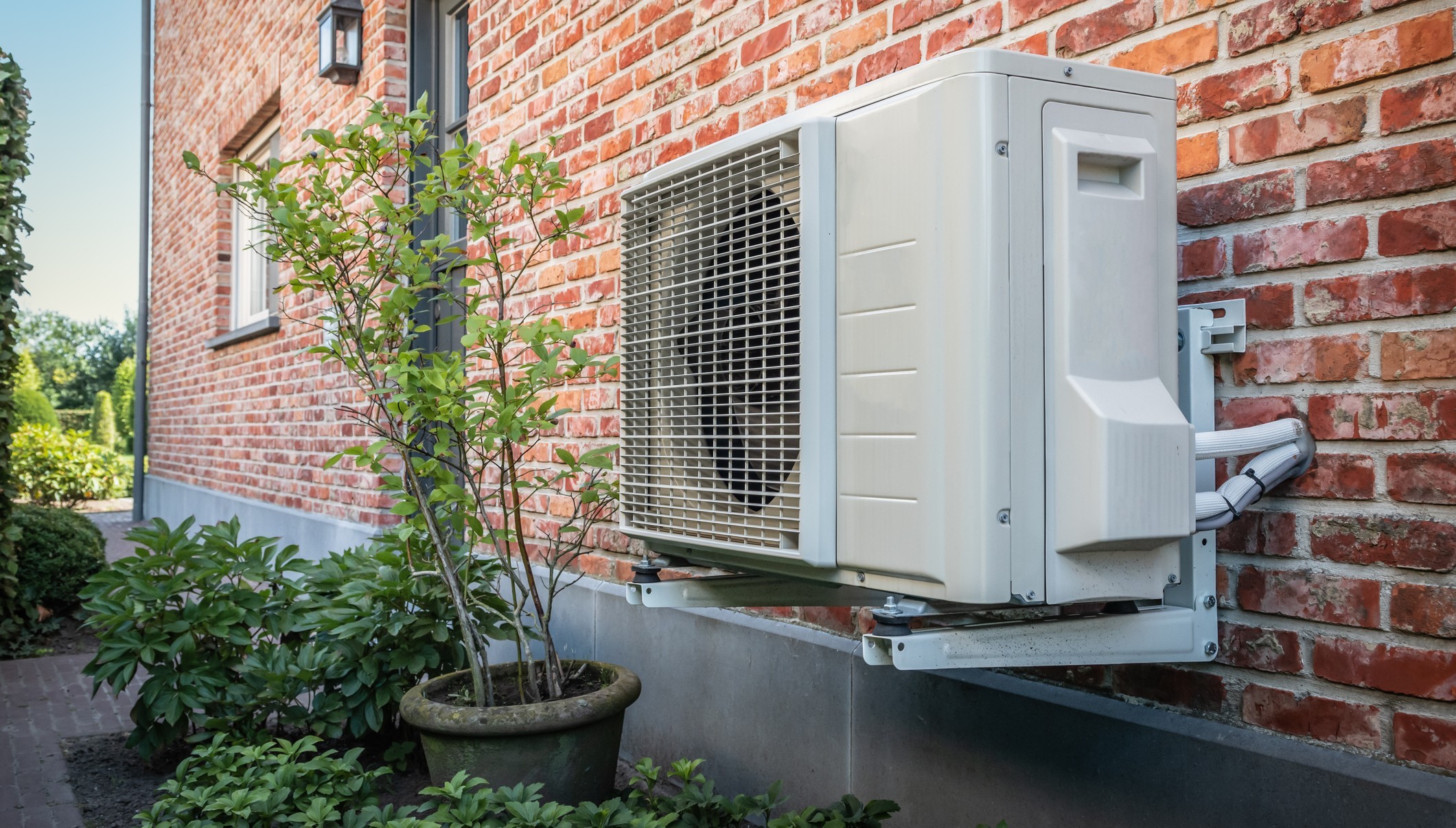
Is a Hybrid Heat Pump System Right for Your Toronto Home
A hybrid heat pump system combines an electric heat pump with a gas furnace backup to provide reliable heating in Toronto's variable winter climate. For many homeowners, a hybrid system makes sense when the goal is to reduce energy use and emissions without relying entirely on electricity during extended cold snaps or extreme low temperatures.
Hybrid systems are especially appealing for Toronto homes with existing gas service, older construction, or higher heating demands, where flexibility and consistent comfort matter more than going fully electric year-round.
What Is a Hybrid Heat Pump System
A hybrid heat pump system uses two heating sources working together: an electric heat pump for most day-to-day heating, and a gas furnace that acts as a backup when outdoor temperatures drop too low for the heat pump to operate efficiently on its own.
In milder weather, which makes up a large portion of the heating season in Toronto, the heat pump does the majority of the work. It transfers heat from the outdoor air into the home using electricity, offering higher efficiency than traditional gas-only systems. When temperatures fall during prolonged cold snaps, the system automatically switches to the gas furnace to maintain comfort without strain.
The transition between heat pump and furnace is controlled by the system based on outdoor temperature, energy efficiency, and comfort settings. Homeowners do not need to manually adjust anything. From inside the home, a hybrid system feels like a single, seamless heating solution rather than two separate systems.
Hybrid systems are sometimes referred to as dual fuel systems, but the underlying concept is the same: combining electric and gas heating to balance efficiency, reliability, and comfort in a climate like Toronto's.
Who Hybrid Heat Pump Systems Are Best For in the GTA
Hybrid heat pump systems are not the right solution for every home, but they can be an excellent fit for many properties across Toronto and the Greater Toronto Area. They tend to work best in homes where comfort, reliability, and flexibility are higher priorities than going fully electric right away.
Hybrid systems are often a good choice for:
- Older detached and semi-detached Toronto homes, where insulation levels and heat loss can vary widely
- Homes with existing natural gas service, allowing homeowners to use their current infrastructure
- Properties with higher heating demands, including larger homes or homes with multiple floors
- Homeowners concerned about extended cold snaps, especially when temperatures drop well below seasonal averages
- Families looking to reduce energy use without taking on the risk of an all-electric system during extreme winter conditions
Many Toronto homes fall into a middle ground: they benefit from the efficiency of a heat pump during much of the heating season but still need the reassurance of gas backup when winter weather becomes more demanding. Hybrid systems are designed specifically for this balance.
They can also appeal to homeowners who want a gradual transition toward lower emissions, rather than a single, all-or-nothing upgrade. By relying on the heat pump whenever conditions allow, a hybrid system reduces overall gas usage while maintaining dependable performance when it matters most.
When a Hybrid System Makes More Sense Than All-Electric
All-electric heat pump systems work very well in many situations, but in Toronto's climate they are not always the most practical choice for every home. A hybrid heat pump system often makes more sense when reliability, infrastructure, and comfort consistency are key concerns.
One of the biggest factors is electrical capacity. Many older Toronto homes were not designed to support the electrical load required for an all-electric heating system without panel upgrades or service changes. A hybrid system can reduce or eliminate the need for major electrical work by allowing the gas furnace to handle peak heating demand.
Hybrid systems can also be a better option for homes that experience higher heat loss, such as houses with older windows, less insulation, or larger open layouts. In these cases, relying entirely on electricity during the coldest periods may strain the system or increase operating costs. The gas backup provides consistent heat output when demand is highest.
Comfort expectations play a role as well. Some homeowners prefer the steady, familiar warmth of a furnace during prolonged cold spells, even if a heat pump is capable of operating. Hybrid systems allow the heat pump to handle most heating needs while ensuring the home stays comfortable during extreme conditions without compromise.
For many Toronto homeowners, the decision is less about choosing one technology over another and more about balancing efficiency with peace of mind. A hybrid system offers that balance by using electricity when it makes sense and gas when it is the more practical option.
Modern heat pumps can be 3–5x more efficient than gas or oil heating systems. This means for each unit of electricity consumed, they can deliver 3–5 units of heat, significantly outpacing the efficiency of combustion-based furnaces. (source)
Toronto Temperature Thresholds and How Hybrid Systems Respond
Toronto winters are rarely consistent. Most heating days fall within moderate cold ranges, with only a handful of periods each year dropping into extreme low temperatures. Hybrid heat pump systems are designed to respond to this variability rather than operate at one fixed level all season.
During typical winter conditions, when temperatures hover around –5°C to –10°C, the heat pump handles most of the heating efficiently. This is when heat pumps perform best, using electricity to move heat rather than generate it, resulting in lower overall energy use.
As temperatures drop further, usually during extended cold snaps below roughly –15°C, a hybrid system shifts its workload. At this point, the gas furnace begins to supplement or replace the heat pump to maintain indoor comfort without pushing the system beyond its most efficient operating range.
The exact temperature at which the system switches is not the same for every home. It depends on factors such as insulation, air sealing, home size, and comfort settings. In a well-prepared Toronto home, the heat pump may continue running effectively at lower temperatures. In others, switching earlier can be the more economical and comfortable choice.
What matters most is not the lowest temperature a heat pump can technically operate at, but how the system is configured to respond to real-world conditions in Toronto. Hybrid systems are designed to make that decision automatically, ensuring consistent comfort while balancing efficiency throughout the winter season.
Cost Considerations for Hybrid Heat Pump Systems in Toronto
The cost of a hybrid heat pump system in Toronto can vary widely depending on the home, existing equipment, and how the system is configured. Rather than having a single price point, hybrid systems are typically tailored to balance upfront cost, operating efficiency, and long-term comfort.
Installation costs depend on factors such as the size of the home, the condition of existing ductwork, electrical capacity, and whether the current furnace can be integrated or needs replacement. Homes that already have compatible gas infrastructure often avoid some of the upgrades required for all-electric systems, which can help manage upfront costs.
Operating costs are influenced by how often the system runs on electricity versus gas. In Toronto's climate, the heat pump typically handles most heating needs during moderate winter conditions, while the furnace is used selectively during colder periods. This flexible approach allows homeowners to balance electricity and gas costs rather than relying entirely on one energy source.
It is also worth considering long-term flexibility. Energy prices in Ontario continue to change, and a hybrid system allows homeowners to adapt more easily over time. As electricity grids become cleaner or pricing structures shift, system settings can be adjusted to favour the most cost-effective option without replacing the entire system.
For many Toronto homeowners, the value of a hybrid system is not just in monthly savings, but in predictable comfort, reduced gas usage, and the ability to make future energy decisions without being locked into a single approach.
How Rebates and Incentives Apply to Hybrid Systems
Rebates and incentives can help with the decision to install a hybrid heat pump system, but eligibility in Ontario depends on how the system is designed and installed. Not all hybrid setups qualify in the same way, which is why understanding the requirements ahead of time is important.
Wondering how much you could save?
Rebates and energy efficiency can offset a good portion of the cost, but it helps to understand what applies in your situation.
In many cases, rebates are tied to the performance of the heat pump component rather than the presence of a gas furnace. This means that the efficiency rating of the heat pump, the overall system configuration, and the installation details all matter. Some hybrid systems may qualify for partial incentives, while others may not, depending on program rules at the time of installation.
Toronto homeowners should also be aware that incentive programs change periodically. What qualifies one year may be adjusted the next, and eligibility often depends on factors such as home type, existing heating equipment, and whether upgrades are completed as part of a broader energy improvement plan.
Because of these variables, rebates should be viewed as a secondary benefit, not the primary reason to choose a hybrid system. The right system is one that fits the home's heating needs and comfort expectations first, with incentives applied where they make sense.
A proper assessment from HeatPumps.ca can help clarify which rebate programs may apply and how to structure a system to align with current requirements, avoiding surprises after installation.
Hybrid vs All Electric Heat Pumps at a Glance
Choosing between a hybrid heat pump system and an all-electric heat pump often comes down to how a home performs in real winter conditions, not just theoretical efficiency. Although both systems offer significant advantages over traditional heating, they are designed to serve different needs.
The comparison below highlights the practical differences Toronto homeowners typically consider when deciding between the two options.
| Feature | Hybrid Heat Pump System | All Electric Heat Pump |
|---|---|---|
| Primary heat source | Electric heat pump with gas furnace backup | Electric heat pump only |
| Performance in extreme cold | Gas backup ensures consistent heat during cold snaps | Relies entirely on heat pump performance |
| Electrical upgrades | Often fewer or none required | May require panel or service upgrades |
| Energy flexibility | Can balance gas and electricity use | Electricity only |
| Operating cost control | Adjustable based on energy prices | Tied to electricity rates |
| Best suited for | Older or higher-demand Toronto homes | Well-insulated or newer homes |
| Path to full electrification | Gradual transition | Immediate full electrification |
For many Toronto homes, the choice is less about which system is better overall and more about which system fits the home's structure, energy needs, and comfort expectations.
When a Hybrid Heat Pump System May Not Be the Right Choice
Although hybrid heat pump systems work well for many Toronto homes, they are not always the best solution. In some situations, an all-electric heat pump or a different upgrade path may be a better fit.
Hybrid systems may not be ideal for homes that are already well-insulated, tightly sealed, and designed for lower heat demand. Newer builds and recently renovated homes often perform efficiently with an all-electric heat pump, even during colder weather, without the need for gas backup.
They may also be less suitable for homeowners who are committed to full electrification in the near term. If eliminating natural gas entirely is a priority, installing a hybrid system could delay that goal, even though gas usage would be significantly reduced.
In homes without existing gas service, adding gas solely to support a hybrid system rarely makes sense. The additional infrastructure and ongoing connection costs can outweigh the benefits of having a backup heat source.
Also, some homeowners prioritize maximizing rebate eligibility above all else. Depending on current program rules, an all-electric system may offer access to broader or higher incentives, making it the more attractive option in certain cases.
How to Decide What Is Right for Your Home
Choosing the right heating system for a Toronto home is less about picking a specific technology and more about understanding how the home actually behaves in winter. Two houses on the same street can have very different heating needs based on insulation, layout, and past upgrades.
Square footage alone rarely tells the full story. Factors such as ceiling height, window quality, air leakage, and duct design all influence how much heat a home requires and how efficiently it can be delivered. These details determine whether a hybrid system offers meaningful benefits or whether an all-electric heat pump will perform just as well.
Comfort expectations matter too. Some homeowners are comfortable with gradual heat delivery, while others prefer faster recovery during cold spells. Energy goals also vary. Some people want to reduce gas use as much as possible right away, while others prefer flexibility as energy prices and technologies continue to evolve.
Because of these variables, the most reliable way to decide is through a home-specific assessment. This allows system options to be evaluated in the context of the home's structure, existing infrastructure, and long-term priorities, rather than relying on general recommendations.
A thoughtful decision upfront helps avoid overbuilding, unnecessary upgrades, or systems that do not align with how the home is actually used.
Book a Hybrid Heat Pump Assessment for Your Toronto Home
Not every Toronto home needs a hybrid heat pump system, and that's exactly why an assessment is important. A short evaluation can help determine whether a hybrid setup is the right fit, or whether another option would better suit the home's layout, energy use, and long-term goals.
A hybrid heat pump assessment focuses on how your home performs in real winter conditions, not just on equipment specifications. It looks at factors such as insulation, existing heating infrastructure, electrical capacity, and comfort expectations, all within the context of Toronto's climate.
For homeowners who are unsure which direction to take, an assessment provides clarity without obligation. The goal is to recommend a solution that makes sense for the home, whether that ends up being a hybrid system, an all-electric heat pump, or another approach entirely.
If you're considering a heat pump upgrade and want practical guidance tailored to your Toronto home, booking an assessment with HeatPumps.ca is a straightforward way to get answers before making any decisions.