Heat Pump Expert Services for Toronto Homes
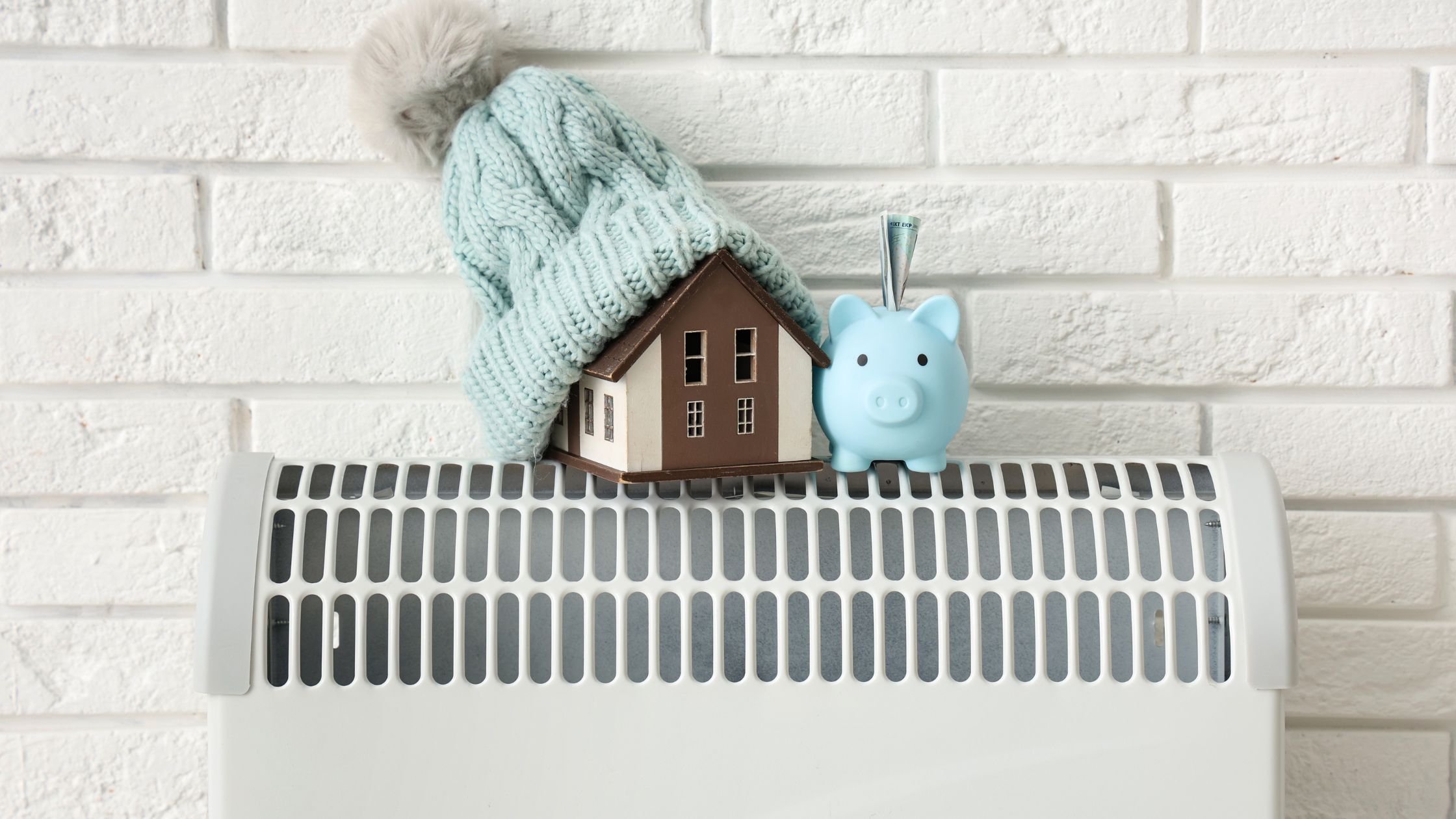
How Toronto Homeowners Can Improve Winter Efficiency Without a Heat Pump
Winter in Toronto has a way of making energy bills feel heavier every year. Between colder stretches, rising utility costs, and homes that weren't always designed for long winters, many homeowners find themselves paying more just to stay comfortable.
If you're not ready, or not able, to upgrade your heating system right now, you're not alone. A major equipment change isn't always the first or best step. There are smaller, practical changes that can still make a noticeable difference in how your home feels and how much energy it uses during the winter months.
The goal is comfort, efficiency, and fewer surprises when the next bill arrives.
Start With Heat Loss Not Heat Generation
When a home feels cold in winter, the instinct is often to turn the heat up. But in many Toronto homes, the bigger issue isn't how heat is produced, it's how easily that heat escapes.
Older housing stock, finished basements, and even newer builds can all lose warmth through small gaps that add up over time. Drafts around doors, windows, and framing allow warm air to leak out while cold air sneaks in, forcing your heating system to work harder just to maintain the same temperature.
Common heat-loss areas to check include:
- Exterior doors that no longer seal tightly
- Windows with worn weatherstripping
- Basement rim joists and utility penetrations
- Attic access points and poorly sealed vents
These problem areas are often easy to spot on a cold day. If you feel a consistent chill near certain rooms or notice that some spaces never seem to warm up, heat loss is usually the reason.
Sealing obvious gaps, adding or replacing weatherstripping, and addressing drafts can reduce energy waste immediately. These steps don't change how your heating system works, they simply help your home hold onto the heat you're already paying for.
Use Your Home Layout to Your Advantage
How heat moves through your home matters just as much as how it's produced. Many Toronto homes have natural temperature differences between floors and rooms, especially in winter, and small layout adjustments can help reduce wasted heat.
Start by paying attention to which rooms stay warm and which ones struggle. Heat tends to rise, so upper floors often feel warmer while basements and main floors lose heat more quickly. Instead of trying to heat the entire house evenly at all times, it can help to manage airflow more intentionally.
Simple layout adjustments include:
- Keeping doors closed in rarely used rooms to limit heat loss
- Making sure vents and radiators are not blocked by furniture or curtains
- Allowing warm air to circulate naturally between connected spaces
- Using interior doors strategically to balance temperature differences between floors
Even small changes, like moving a couch away from a vent or keeping stairwell doors open or closed at the right times, can improve comfort without increasing energy use.
These habits help any heating system work more efficiently. Homes with heat pumps benefit even more from consistent airflow, but improving circulation makes a noticeable difference regardless of how your home is heated.
Curtains Windows and Sunlight
Windows are one of the biggest sources of heat loss in winter, but they can also work in your favour when used intentionally. A few small changes in how you manage curtains and sunlight can improve comfort without touching your thermostat.
During the day, especially on clear winter days, open curtains and blinds on south-facing windows. Even limited winter sunlight can add passive warmth to living spaces and reduce the need for active heating. This is particularly noticeable in rooms that receive steady daylight for several hours.
At night, the goal shifts to holding heat in. Closing curtains fully after sunset helps reduce cold drafts and slows heat loss through the glass. Heavier or thermal-lined curtains offer the most benefit, but even standard curtains provide some insulation when closed properly.
A few tips:
- Keep curtains from blocking heat vents or radiators
- Ensure curtains seal closely to the window frame at night
- Focus first on rooms you use most in the evening
In Toronto winters, small temperature changes add up over long periods. Managing sunlight and window coverings is one of the lowest-effort ways to make your home feel warmer without increasing energy use.
Humidity and Comfort Are Connected
Temperature alone doesn't determine how warm your home feels in winter. Indoor air that's too dry can make rooms feel cooler than they actually are, even when the thermostat is set to a comfortable level.
During Toronto winters, cold outdoor air holds very little moisture. Once that air is heated indoors, humidity levels often drop significantly. This dry air pulls moisture from skin and sinuses and creates that familiar winter chill that makes people want to turn the heat up.
Maintaining balanced indoor humidity can improve comfort without raising energy use. For most homes, a healthy winter humidity range falls between 30 and 40 percent, though this can vary depending on outdoor temperatures and window quality.
Ways to manage humidity include:
- Using a portable humidifier in frequently used rooms
- Running bathroom fans only as long as needed
- Avoiding excessive ventilation during very cold weather
It's also important not to overdo it. Too much humidity can lead to condensation on windows, which may cause mould or moisture issues over time. The goal is balance, not damp air, but not bone-dry either.
Comfort is a combination of temperature, airflow, and humidity. When these work together, your home can feel warmer even without increasing your heating output.
Thermostat Habits That Help
Thermostats are often treated as an on off switch rather than a comfort tool. In winter, especially in Toronto's fluctuating temperatures, small habit changes can make a bigger difference than constant adjustments.
One common mistake is making large temperature swings throughout the day. Cranking the heat up after the house feels cold doesn't warm it faster, it just causes the system to work harder and overshoot the target temperature. Keeping settings steady is usually more efficient and more comfortable.
Nighttime setbacks can help in some homes, but they don't work the same way everywhere. Dropping the temperature slightly overnight can reduce energy use, but aggressive setbacks often lead to longer recovery times in the morning, especially in older or less insulated homes.
A few habits that tend to help:
- Avoid frequent manual adjustments
- Use modest nighttime temperature reductions rather than large drops
- Set temperatures based on comfort, not just habit
- Pay attention to rooms that heat unevenly
Smart thermostats can help manage schedules, but they aren't a magic fix. The most efficient setup is one that matches how your home actually holds and distributes heat.
Not every home benefits from the same thermostat strategy. Understanding how your space responds to temperature changes is more valuable than following a one-size-fits-all schedule.
Small Maintenance Tasks People Often Skip
Winter efficiency isn't only about habits and setup, it also depends on basic maintenance. Small issues that go unnoticed can quietly reduce comfort and increase energy use over the course of the season.
One of the most overlooked tasks is replacing or cleaning furnace filters. A clogged filter restricts airflow, forcing the system to run longer and harder to push warm air through the home. This can lead to uneven heating and higher energy use, even if the system itself is in good condition.
Not sure if another repair is worth it?
At a certain point, the cost of repairs can start to outweigh the value of keeping the system.
Other simple checks include:
- Making sure vents and return air grilles are clear of furniture and dust
- Checking exterior exhaust and intake vents for snow or debris
- Ensuring bathroom and kitchen fans are working properly and not stuck on
These tasks don't require specialized tools, but they do make a noticeable difference in how efficiently your home heats. Many comfort complaints we hear in winter are tied back to airflow restrictions or small maintenance issues rather than major equipment problems.
Keeping up with these basics helps any heating system operate more smoothly and reduces unnecessary strain during the coldest months of the year.
Many households feel the pinch in winter. About 14% of Canadians kept their homes at uncomfortable temperatures recently because heating costs were unaffordable. (source)
Quick Winter Efficiency Checklist
If you're not sure where to start, this short checklist can help you spot the most common winter efficiency gaps. You don't need to tackle everything at once, even a few completed items can improve comfort and reduce energy waste.
- Sealed or reduced noticeable drafts around doors and windows
- Checked weatherstripping and door sweeps for gaps or wear
- Opened curtains on sunny days and closed them fully at night
- Made sure vents and radiators are not blocked by furniture
- Adjusted humidity to a comfortable winter range
- Avoided large thermostat swings during the day
- Replaced or cleaned furnace filters
- Cleared exterior vents of snow or debris
If you've done most of these, you're already ahead of many Toronto homeowners. These steps form the foundation of an efficient winter home and are often the first things we look at when evaluating comfort and energy use.
If comfort issues or high bills persist even after addressing these basics, it usually means the home itself, or the heating system, is working harder than it should.
When Efficiency Improvements Stop Working
There's a point where small efficiency improvements stop delivering noticeable results. If you've sealed drafts, adjusted habits, and kept up with basic maintenance but your winter energy bills continue to climb, something else is usually going on.
Common signs include:
- Certain rooms never reaching a comfortable temperature
- Long heating cycles during colder stretches
- Rising energy costs despite consistent usage
- A home that feels dry or unevenly heated no matter the settings
At this stage, the issue is often less about behaviour and more about how the home is being heated. Older systems, homes with layout challenges, or heating setups designed for different energy costs can struggle to keep up with modern winter demands.
If you've done most of the efficiency steps in this guide and your bills are still climbing, that's usually when a heat pump starts to make sense. Not as a quick fix, but as a longer-term way to improve comfort and control energy use.
Winter Efficiency Consult
If you're unsure whether your home has reached the limit of what small efficiency improvements can do, a second set of eyes can help. A winter efficiency consult focuses on how your home actually performs in cold weather, not on pushing a specific upgrade.
During a consult, we look at:
- Where heat loss or comfort issues are most likely coming from
- How your current heating setup is working with your home
- Whether simple adjustments could still make a difference
- When it might make sense to start thinking about next steps
There's no obligation and no pressure to upgrade. The goal is clarity, so you can make decisions based on how your home behaves in a Toronto winter, not on guesswork.
If you’d like to talk it through, we’re happy to help. You can speak with a winter efficiency specialist at 416-241-9093 or email us anytime.