Heat Pump Expert Services for Toronto Homes
How to Get the Most Out of Your Heat Pump on the Coldest Days of the Year
Toronto winters tend to keep homeowners guessing. One week it's hovering around –5°C, and the next, a cold snap sweeps in and plunges the temperature toward –15°C or even –20°C. These dramatic swings aren't just uncomfortable, they put every home's heating system to the test.
Modern cold-climate heat pumps are designed with these exact conditions in mind. They don't just survive Toronto winters, many perform impressively well, even when the temperature drops far below freezing. But like any heating system, a few small adjustments can make a noticeable difference in how warm and comfortable your home feels on the coldest days of the year.
How Heat Pumps Behave on Toronto's Coldest Days
When temperatures dip well below freezing, homeowners often notice their heat pumps operating a little differently. That's completely normal, Toronto's mix of sharp cold fronts, lake-effect moisture, and long stretches of sub-zero weather can change how any heating system feels.
Why Your Heat Pump May Feel "Different" Below –10°C
As outdoor temperatures fall, especially during a cold snap, your heat pump has to work harder to move heat inside. This usually shows up in a few harmless ways:
- Longer run times
Unlike gas furnaces that deliver quick bursts of heat, heat pumps provide steady, continuous warmth. In very cold weather, running longer simply means the system is maintaining comfort efficiently. - Lower supply-air temperatures
The air coming from your vents might not feel as hot as a furnace's output, but it's consistent. That constant, gentle heat is what helps maintain even temperatures across rooms. - More noticeable temperature fluctuations
Drafts, older windows, and insulation levels in Toronto's housing stock (especially brick semis and post-war bungalows) can affect how warm different rooms feel. This isn't always the heat pump, it's often the home.
The Defrost Cycle (And Why It's a Good Sign)
Cold weather plus humidity often leads to frost accumulating on the outdoor coil. Your heat pump responds with an automatic defrost cycle, which:
- briefly redirects heat to melt ice
- may produce light steam or a moment of cooler indoor air
- can cause the outdoor unit to pause or change sound for a few minutes
This is normal and necessary, and a sign the system is protecting itself to keep running efficiently through the coldest nights.
Performance Concerns that Might Signal a Problem
Most winter quirks are normal, but some symptoms may indicate the need for service:
- Heavy or rapidly recurring ice buildup on the outdoor unit
- Loud or unusual noises
- Warm air suddenly turning cold for extended periods
- Your thermostat struggling to maintain the set temperature
- Frost that doesn't clear during a defrost cycle
If you notice these issues, it may simply be a maintenance need rather than a system failure. A small calibration or airflow fix can restore performance, especially during deep winter.
And if something feels off, HeatPumps.ca can help assess whether your system needs a tune-up or just a minor adjustment.
Set-It-and-Forget-It Thermostat Use
When the cold settles in across Toronto, the way you use your thermostat can make a bigger difference than most homeowners realize. Heat pumps operate very differently from gas furnaces, and small adjustments in thermostat habits can noticeably improve comfort and efficiency, especially on days when the temperature takes a sharp dive.
Why Constant Thermostat Changes Reduce Performance
Many people are used to furnace routines, turn the temperature down when you leave, crank it up when you return. But heat pumps don't respond the same way.
Frequent temperature bumps force the system to work harder and can even trigger backup heat in some setups, which is less efficient during Ontario's winter peak hydro hours.
With heat pumps, steady settings = steadier comfort.
Keeping your thermostat consistent helps:
- maintain smoother indoor temperatures
- reduce unnecessary strain on the compressor
- prevent sudden "cold room" moments
- avoid backup heat activating when it's not needed
In Toronto's deep winter, stability is a comfort strategy.
Recommended Winter Settings for Toronto Homes
Every home is different, but in general:
- Choose a comfortable temperature and leave it within 1–2°C all day.
- Avoid dropping the temperature drastically at night during a cold snap, your heat pump will work harder trying to recover in the morning.
- If you love a cooler bedroom, lower it gently or use room-specific solutions rather than a whole-home setback.
The goal is not to heat more or harder, it's to heat smarter.
How Smart Thermostats Can Help Even More
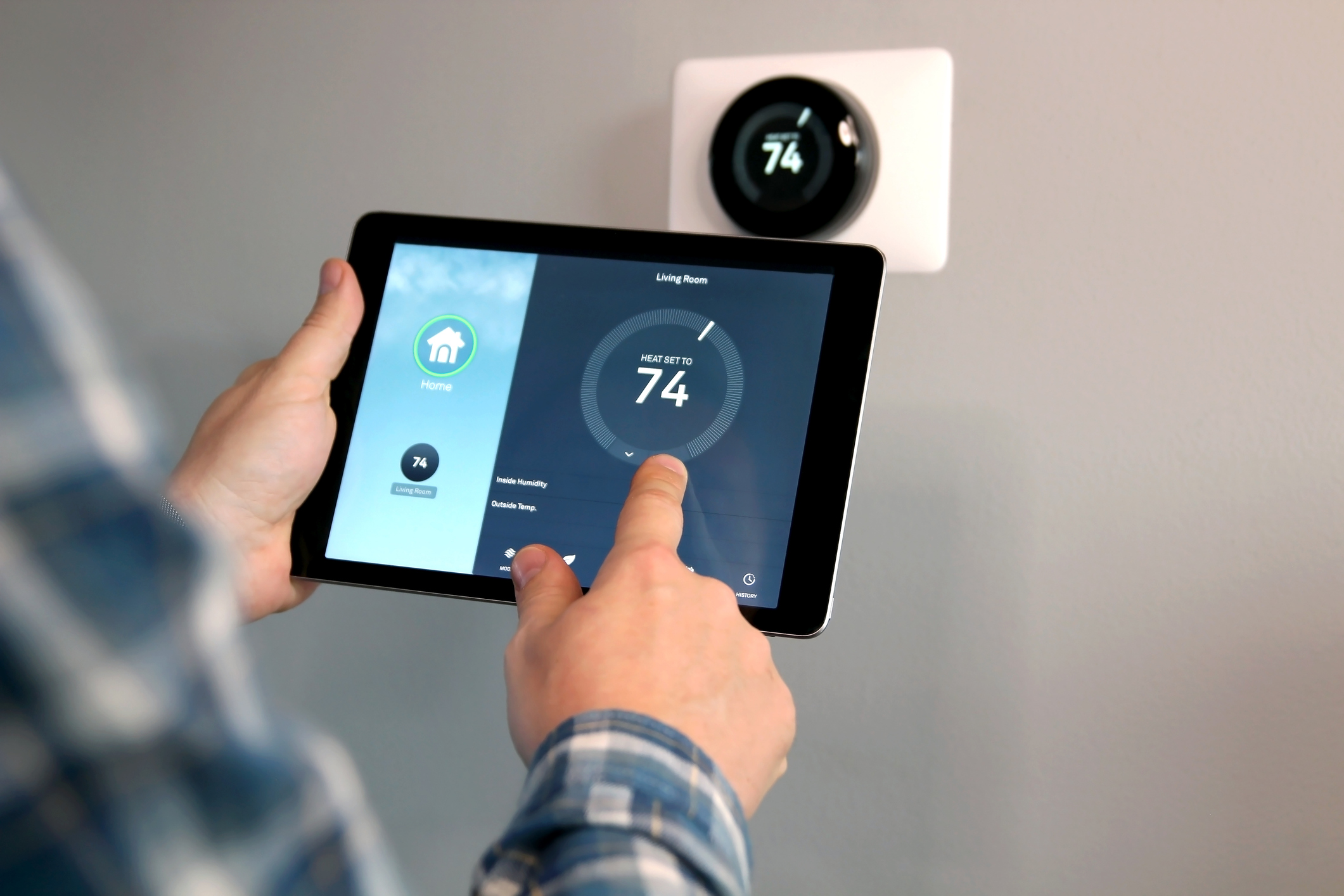
Pairing your heat pump with a smart thermostat can improve winter comfort noticeably, especially in older Toronto homes where insulation varies by room. Smart thermostats can:
- gradually increase temperature (reducing energy spikes)
- adjust based on humidity and outdoor conditions
- shift usage toward off-peak hydro hours where possible
- maintain steadier indoor airflow
The result? A home that feels warmer without needing higher temperatures.
Airflow Tips That Help Your Heat Pump
Airflow is one of the most powerful (and most overlooked) factors in how comfortable your home feels with a heat pump, especially in multi-level houses, semi-detached homes, and older Toronto builds where drafts and circulation challenges are common.
Ensure Registers and Return Vents Are Clear
Heat pumps rely on steady, uninterrupted airflow. Even small blockages can lead to uneven heating or reduced performance during cold snaps.
Take a quick walk around your home and check for:
- Furniture pushed too close to vents
- Rugs covering floor registers
- Curtains hanging over wall vents
- Dust buildup on return grilles
Clearing these areas can noticeably improve room-to-room consistency without changing a single thermostat setting.
Fan Mode Tricks for More Even Heat
Toronto homes often have temperature differences between floors, warm upstairs, cool downstairs. Proper fan settings can help balance this naturally.
- Auto Mode: Best for general everyday use; fan runs only when the system runs.
- On Mode: Useful during extreme cold when you want to even out temperatures across your home.
Running the fan continuously for a few hours circulates air more evenly, reducing hot and cold spots and helping your heat pump maintain comfort with less effort.
In open-concept layouts or homes with lofts, this trick alone can make the entire space feel warmer.
Indoor Air Quality
Winter in Toronto means dry air, closed windows, and more time spent indoors. Heat pumps provide gentler, more even heat than furnaces, which helps maintain healthier humidity, but only if airflow is unobstructed and filters are clean.
Regularly checking your filter supports:
- better warmth distribution
- improved indoor air quality
- reduced strain on the system
- more consistent comfort during cold snaps
If anyone in your home has allergies or asthma, clean filters and good circulation make an even bigger difference in winter.
Outdoor Unit Care During Snow and Ice
Toronto winters bring everything from fluffy lake-effect snow to heavy, wet slush, and both can affect how your heat pump's outdoor unit performs. Although modern systems are designed to operate in harsh Canadian weather, a bit of simple winter awareness can help your heat pump run more efficiently during the coldest weeks of the year.
Keep Snow at Least 6–12 Inches Away
Your outdoor unit needs room to breathe. If snow accumulates too closely around the base or sides, airflow becomes restricted, forcing the system to work harder.
A few quick guidelines:
- Gently clear snow from the top and around the unit
- Make sure the base or stand isn't buried
- Maintain at least 6–12 inches of clearance on all sides
- After a heavy storm, check that drifting snow hasn't piled up against the coil
You don't need to scrape or chip, just keep the area open and unobstructed.
What to Do If You Notice Ice Buildup
Some frost is completely normal in Toronto winters. In fact, it triggers the defrost cycle, which keeps your system running smoothly. But unusually heavy or persistent ice can indicate a larger issue.
Normal frost:
- Thin layer
- Appears during cold, humid conditions
- Clears on its own during the defrost cycle
Concerning ice:
- Thick, solid ice covering the entire coil
- Ice that returns immediately after melting
- Ice forming on pipes, wiring, or the top grille
If you see heavy ice, avoid trying to pry it off. Instead, gently clear loose snow and monitor whether the next defrost cycle resolves it. If not, the system may need professional attention.
Avoid Common Mistakes
A few winter habits can unintentionally damage the unit:
- Don't chip or scrape ice, this can bend fins or crack tubing
- Don't pour hot water, sudden temperature changes can cause thermal shock
- Don't use de-icing salt, corrosive minerals can damage components
- Don't fully cover the unit, airtight covers trap moisture and worsen ice buildup
A breathable winter "top cover" designed specifically for heat pumps is fine, but only if it leaves all sides open for airflow.
If you're ever unsure whether what you're seeing is normal winter behavior, a quick check from a HeatPumps.ca technician can help prevent minor issues from turning into mid-winter performance problems. We're always here to help keep things running smoothly, especially during Toronto's toughest weather.
Improving Whole-Home Comfort in Older Toronto Houses
Toronto's housing stock is wonderfully diverse, but when it comes to winter comfort, that variety can introduce some challenges. From century-old brick semis in the west end to post-war bungalows in Scarborough and midtown rentals with draft-prone windows, the age and layout of a home can affect how evenly a heat pump distributes warmth on the coldest days of the year.
A few small adjustments can dramatically improve how your heat pump performs in winter, without requiring major renovations.
Still putting money into an older AC system?
It might be time to look at what a replacement would cost, especially if repairs are starting to add up or performance is dropping.
Why Older Toronto Homes Feel Draftier in Winter
Many homes built before the 1980s weren't designed with modern insulation standards in mind. Common winter comfort issues include:
- Drafts around windows and doors
- Cool basements or first floors due to air leakage
- Temperature stratification (warm upstairs, cool downstairs)
- Uninsulated or partially insulated exterior walls
Your heat pump may be working exactly as it should, your home just isn't holding onto heat as effectively during cold snaps.
Simple Adjustments That Make a Difference
You don't need a full energy retrofit to feel more comfortable. These small changes noticeably improve heat retention and comfort during deep winter:
- Weatherstripping around doors and older window frames
- Thermal curtains used strategically at night
- Rugs or draft blockers along older floorboards and baseboards
- Sealing leaks around cable lines, dryer vents, or plumbing penetrations
- Keeping interior doors slightly open to reduce room-to-room heat trapping
Even small improvements to the building envelope help your heat pump maintain steadier temperatures with less effort.
If you're unsure why certain rooms stay cooler than others, or whether insulation or airflow adjustments could help, HeatPumps.ca can assess your home's layout and offer practical, non-invasive recommendations tailored to Toronto's winter conditions.
When a Heat Pump Check-Up Can Improve Comfort
Even the best cold-climate heat pumps can benefit from a little extra attention during Toronto's deepest winter weather. If your home feels cooler than usual or your system seems to be working harder than it did earlier in the season, a routine check-up can often bring performance back to where it should be.
Winter puts every component under stress, so small issues become more noticeable, especially during long stretches of –10°C to –20°C temperatures.
Typical Issues Uncovered in Winter Tune-Ups
Many comfort problems aren't major failures, they're small adjustments that improve how the system moves air and manages heat. During a winter diagnostic, technicians often find:
- Dirty or clogged filters restricting airflow
- Blocked return vents in older Toronto layouts
- Thermostat miscalibrations causing unnecessary cycling
- Low refrigerant levels affecting heat transfer
- Defrost sensors that need recalibration
- Minor electrical or wiring issues caused by cold-weather expansion and contraction
These are the kinds of things that go unnoticed when temperatures are milder, but show up quickly during a cold front.
When It Makes Sense to Consider an Upgrade
Upgrading doesn't need to be a rushed or pressured decision. But some situations suggest it may be worth exploring:
- Your heat pump is 10–12+ years old
- The system struggles during every cold snap, despite proper maintenance
- Your hydro bills have risen significantly compared to previous winters
- Certain rooms never reach a comfortable temperature, even with adjustments
- Repairs are becoming more frequent
An upgrade is not always the answer, but knowing your options helps you plan rather than react.
Winter Comfort Is Possible, Even on Toronto's Coldest Days
Toronto winters may be unpredictable, but your heat pump is built to handle far more than many homeowners realize. With steady thermostat habits, clear airflow, a little outdoor unit awareness, and a few small home adjustments, especially in older Toronto houses, you can enjoy consistent, reliable comfort even when temperatures plunge toward –20°C.
These strategies don't require technical know-how or major upgrades. They simply help your system do what it was designed to do: keep your home warm in a smooth, efficient, and steady way. And the more prepared your home is for extreme weather, the more you'll notice the difference in comfort, noise levels, and overall energy use.
If your heat pump hasn't quite felt like itself this winter, or if you'd like a second opinion on improving comfort in your specific home, a quick check from HeatPumps.ca can help identify simple ways to get things running at their best again.